Renting a car in Aruba is often the difference between a relaxing resort stay and a true island adventure. While the comfort of luxury hubs is tempting, the freedom of having your own vehicle is unparalleled. You can move from the pristine sands of Eagle Beach to the rugged, cactus-strewn views of the north coast at your own pace.
However, choosing to explore the island by car has its own challenges. Many travellers are often shocked to see that the final bill for their car rental in Aruba is significantly higher than the initial quote they saw online. This is often due to hidden fees that are conveniently excluded from the advertised price.
Navigating the financial landscape of the island’s car rental market requires a keen eye for detail to avoid unwanted surprises. This guide is designed to dismantle the complexities of Aruba car rental prices, providing you with the transparency needed to budget effectively for your Caribbean getaway.
The foundation of your budget will be the base daily rate, which fluctuates based on the time of year and the type of vehicle you choose. The high season typically runs from mid-December through mid-April, during which prices can swell by 30% to 50%. Conversely, you can find a 15% to 30% price decrease during the low season, from September to November.
For those seeking the most economical path, compact cars are the usual choice. During the low season, you can rent these cars for approximately $35 to $55 per day, though this figure often jumps to $70 or $100 during the peak months. Mid-size sedans offer a bit more breathing room for families and are usually priced at $55 and $120, depending on the season.
If you intend to explore the more remote areas of the island, a 4x4 is not just a luxury; it is a requirement. These vehicles are in high demand in Aruba, with daily rates ranging from $120 to as high as $250. It is worth noting that many rental agencies have specific mandates requiring the rental of a 4x4 for off-road travel, as standard sedans are strictly prohibited from these rougher terrains.

One of the primary reasons why the initial quote differs from the final bill is the inclusion of various government-mandated fees that aggregators conveniently leave out. Unlike other destinations where taxes might be a fixed percentage, Aruba’s system involves a combination of taxes that can collectively add between 20% and 30% to your base rate.
Aruba is implementing a combined turnover tax totaling 7%, which replaces the standard Value Added Tax (VAT) system. This consists of three components: a 2.5% BBO on company turnover, a 1.5% BAVP aimed at financing public projects, and a 3.0% BAZV for the national health insurance fund. It is essential to verify whether quotes specify "inclusive of taxes" or "plus tax", as this 7% applies to the total bill, which includes insurance and additional equipment.
Aruba imposes a specific tax for the right to operate a vehicle on its public roads, and this fee is typically passed directly to consumers renting cars, which have license plates starting with "V". The daily cost for this surcharge generally ranges from $1.00 to $2.50 and covers both the vehicle's registration and the government's motor vehicle tax. This must be paid annually by the rental company, which recoups the cost through the daily fee charged to renters.
As part of Aruba's green initiatives, most car rentals now include an Environmental Impact Tax. This is a government-authorised levy intended to offset the ecological footprint of tourism and vehicle emissions on the island's delicate ecosystem. It is usually a flat charge of $1.00 per day. This is frequently the smallest line item on your receipt, but it is mandatory across almost all registered rental agencies.
There are smaller fees that may not be included in the initial quote, but can quietly inflate the total price. Knowing these possible additional charges will help you manage your car rental expenses.
Picking up your vehicle directly at Queen Beatrix International Airport is definitely convenient, but it comes with a premium price. You must be prepared to pay the Airport Concession Fee, which is typically a 12% to 15% surcharge applied to the entire rental cost. To avoid this, many savvy travellers book with local agencies that offer a free shuttle to an off-site office just five minutes away.
There are also driver-related surcharges that you need to consider. Drivers under the age of 25 or over the age of 70 are usually subject to a Young or Senior Driver Surcharge, which compensates the agency for the perceived higher insurance risk. Additionally, if you are travelling with a partner or friend who also wishes to drive, expect an Additional Driver Fee of $5 to $15 per day. Do not be tempted to skip declaring an additional driver, because your insurance can be voided when an accident occurs.
One of the biggest amounts that you need to prepare for is the security deposit. Most agencies will hold between $300 and $1,000 on your credit card for the duration of the rental. This can be bigger if you prefer to use your credit card’s insurance coverage instead of the policy offered by the agency. While this isn't a permanent charge and will be returned after the vehicle drop off, it does reduce your available spending limit for the trip.
Equipment rentals are another area for additional expenses. Daily rates for child safety seats usually hover around $10, while GPS units can cost $5 per day. While they appear small, they can accumulate into a big amount. To avoid these extra fees, you can use your own equipment, such as bringing a child safety seat. You can also download offline maps of Aruba on your smartphone, instead of renting a standalone GPS.
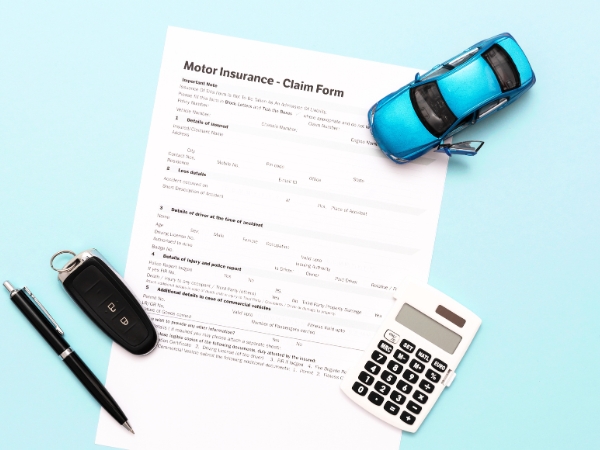
Insurance is the area where Aruba car rental prices can become the most confusing for travellers. You need to carefully read the coverage offered by the agency and make sure that all the insurance fees are included in the final quote before signing and paying.
Under Aruban law, it is mandatory for all vehicles on the road to have a Third-Party Liability insurance (TPL). This covers damage you might cause to other people or their property during an accident. It does not cover any personal injury or damage to your rental car. Most agencies include a basic level of TPL in their daily rates, but the coverage limits are often lower than what international drivers are accustomed to.
The real decision comes down to the Collision Damage Waiver (CDW), with fees generally ranging from $15 to $35 per day. This is not legally mandatory, but is usually contractually required by agencies. It is important to understand that even with CDW, you are rarely fully covered. Most waivers come with an excess or deductible, an out-of-pocket amount you are responsible for if the car is damaged, which can range from $500 to $1,500.
Some premium credit cards offer primary rental insurance in Aruba, which allows you to decline the rental agency’s CDW and save hundreds of dollars. However, if you choose this route, most Aruban agencies will require a printed "Letter of Coverage" from your bank and may place a larger security hold on your credit card. Make sure to contact your credit card company before your trip to confirm its insurance coverage.
Budgeting for a rental car in Aruba also means accounting for daily running expenses on the road. Most of these are unavoidable, but they are completely manageable, and you can minimise them with careful planning.
Standard insurance rarely covers damage to tyres or rims caused by hitting rocks or potholes on unpaved roads. Always inspect your tyres before leaving the rental lot and take photographs or videos of any existing damage. For peace of mind, you can also avail of extra protection, specifically for these vulnerable parts.
Fuel prices in Aruba are government-regulated, meaning every gas station on the island charges the same price. Currently, unleaded premium gasoline is priced at approximately $1.17 per litre or roughly $4.40 per gallon. Fortunately, since the island is only 20 miles long, a full tank of fuel is often enough for a week of exploring. Also, if you want more savings, opt for a fuel-efficient car and group your itinerary.
Aruba has a windy and sandy environment. If you return a vehicle with an excessive amount of sand or mud in the interior, agencies frequently charge a cleaning fee of $150 or more. To avoid paying for this, you can use seat covers or even towels to protect the interiors from sand. You can also do a quick clean at a gas station before returning the vehicle.
To help you understand the Aruba car rental prices more, here are some answers to frequently asked questions by tourist drivers.
Understanding Aruba car rental prices is about more than just finding the lowest amount; it is about knowing exactly what that number includes. To secure a vehicle confidently, always ask for a total price breakdown, book in advance during the high season, and conduct a thorough inspection of the car once you arrive at the rental lot. With these steps, you can get the best value and focus on what really matters: discovering the hidden gems of Aruba.
Don’t let the high prices or hidden costs prevent you from experiencing the freedom of the open road. Use this guide as your roadmap to find great deals and start your adventure. Rent your vehicle from Final Rentals today and prepare to unlock the wonders of Aruba on your own terms. You can easily and safely book via our website or our mobile app, available for download on Google Play and the App Store.