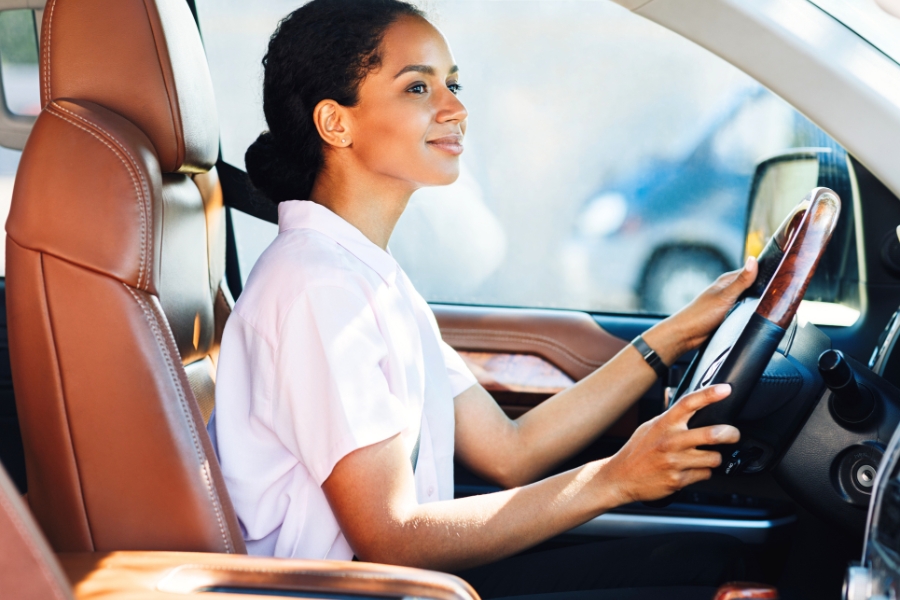
Renting a vehicle is one of the most rewarding decisions a traveller can make when visiting Aruba. While this stunning Caribbean island is famous for its world-class luxury resorts and pristine hotel beachfronts, its true magic lies hidden beyond tourist paths. From the secluded coves of the northern coast to the vibrant culinary spots tucked away in San Nicolas, having your own set of wheels provides the ultimate freedom to explore at your own pace.
Driving in Aruba allows you to bypass the rigid schedules of tour buses and design a bespoke itinerary that truly captures the spirit of the island. However, the convenience of a personal vehicle brings responsibilities. Practising safe driving during your trip is vital, not only for your personal well-being but also to protect the local community and the island’s ecosystems.
While Aruba boasts well-maintained primary highways and an infrastructure that feels familiar to many international visitors, it features a unique local driving culture and several road hazards. Acquiring a firm grasp of these local nuances before picking up your rental keys guarantees a seamless, stress-free, and memorable Caribbean adventure.
Driving in Aruba requires strict adherence to local traffic regulations, which may differ significantly from those in your home country. Knowing these rules before getting behind the wheel is crucial for a safe and smooth road trip.
All road signs, speed limits, and vehicle speedometers are calibrated in kilometres per hour. It is vital to monitor your speed closely, as urban areas and heavily populated districts enforce a strict limit of 30 to 40 km/h. On rural roads, the limit generally increases to 60 km/h, while major highways permit speeds up to 80 km/h. Speed traps are frequently deployed by local police, particularly along tourist corridors, making vigilant compliance essential.
The most critical rule to remember is the traditional right-hand rule. At any unmarked crossroad or intersection where traffic control signals are absent, vehicles approaching from your right always possess the absolute right of way. This holds true even if you believe you are travelling on a more prominent or heavily trafficked road. Furthermore, turning right at a red traffic light is strictly prohibited across the entire island. Additionally, when driving on multi-lane highways, the left lane is reserved exclusively for overtaking and preparing for left-hand turns; continuous cruising in the overtaking lane is a traffic violation.
Roundabouts have largely replaced traditional intersection signals across Aruba's primary road network to improve traffic flow. Navigating these roundabouts safely relies on one principle: traffic already circulating within the roundabout has the absolute right of way. Approaching vehicles must yield completely before entering the circle. When inside a multi-lane roundabout, drivers must select the appropriate lane based on their intended exit, utilising indicators clearly to signal their departure from the junction.
Aruban law mandates that every occupant within a moving vehicle must wear a seatbelt at all times, a rule that applies equally to passengers in both the front and rear seats. Children under the age of five are legally prohibited from riding in the front passenger seat and must be secured in an appropriate child restraint system in the rear.
Mobile phone usage while driving is strictly limited to hands-free operations. Touching your device while the engine is running leads to heavy fines. Most importantly, Aruba enforces a near-zero-tolerance policy regarding driving under the influence of alcohol. The legal blood alcohol concentration limit is an exceptionally low 0.05 per cent. Because this threshold is so easily crossed, the only safe strategy is to designate a completely sober driver or utilise local taxi services if you plan to enjoy the island's nightlife.

While the primary roads connecting Oranjestad, Palm Beach, and Eagle Beach are generally in excellent condition, secondary roads and the weather present several environmental hazards that demand heightened driver awareness.
When venturing away from the main urban centres toward the northern and eastern coasts, paved roads quickly give way to dirt tracks comprised of a fine, white limestone dust known locally as caliche. This dust accumulates heavily on vehicle surfaces and the surrounding terrain. When caliche dust interacts with salt-laden ocean spray or tropical showers, it transforms into an incredibly slick, mud-like slurry. This coating reduces tyre traction dramatically, mimicking black ice. Drivers navigating these areas must lower their speeds significantly and avoid sudden braking manoeuvres to maintain control.
Aruba experiences a predominantly arid climate, meaning that prolonged rainfall is relatively rare. Consequently, engine oils, rubber residues, and dust bake into the asphalt surfaces. When it suddenly rains, these substances rapidly float to the surface before they can be washed away. The first ten minutes of any rainfall render the paved surfaces hazardous and slick. You need to increase your following distance to at least three car lengths and reduce your velocity well below the posted limit until the road surface dries or the residue clears.
Drivers must contend with the powerful Atlantic trade winds. These crosswinds can exceed 30 miles per hour and pose a destabilising threat to high-end rental vehicles. Maintaining a firm, two-handed grip on the steering wheel is vital when transitioning from sheltered inland roads to exposed coastal cliffs. Additionally, the constant maritime breeze carries a fine salt spray that rapidly crystallises on vehicle windscreens. This salt crust can instantly blind a driver when hit by direct sunlight, making it critical to verify that your rental vehicle's windscreen washer reservoir is full before embarking on a journey.
As you journey toward rural districts or approach the boundaries of Arikok National Park, the local wildlife presents an unpredictable road hazard. Herds of wild goats and free-roaming donkeys treat the island's roads as extended grazing paths, possessing an unofficial right of way. You must stop and patiently wait, allowing the animals to clear the roadway naturally. Honking your horn or attempting aggressive manoeuvres can cause the animals to bolt unpredictably and may result in penalties from park rangers.

Aruba is consistently ranked as one of the safest destinations in the Caribbean region, with exceptionally low rates of violent crime. However, opportunistic property crimes do occur, and tourists driving rental cars are often targeted. The most common issue is petty theft from vehicles parked at isolated tourist landmarks or remote northern beaches.
Thieves monitor these areas for rental cars containing visible luggage, electronic items, or high-value snorkelling gear. To eliminate this risk, adopt a proactive prevention strategy: never leave any items of value inside the vehicle under any circumstances. When parking at remote sites, remove your passports, wallets, and expensive cameras.
Experienced travellers often recommend leaving the vehicle's windows slightly cracked to alleviate the intense internal heat and leaving the glove compartment and centre console wide open. This explicitly demonstrates to any opportunistic onlookers that the car contains nothing worth breaking a window to retrieve.
Being prepared for the unexpected is a cornerstone of safe driving. If you find yourself involved in a traffic mishap or experiencing a mechanical breakdown while driving in Aruba, executing the correct procedures is vital for legal compliance and personal safety.
In the unfortunate event of a vehicular accident, the absolute rule is that you must not move your car from the exact point of impact, regardless of whether you are blocking traffic or creating a minor congestion point. Moving the vehicle before the arrival of authorities can invalidate your insurance coverage and complicate the legal determination of fault.
Immediately switch on your hazard warning lights to alert oncoming motorists. You must then contact the emergency services directly. For police assistance, dial 100, and for medical emergencies requiring an ambulance, dial 911. Afterwards, you must immediately contact your car rental agency’s emergency hotline, alongside the specialised roadside insurance patrol service. Representatives from these entities will document the physical evidence and create the official accident report required for insurance claims.
Should your vehicle suffer a mechanical malfunction, a flat battery, or a tyre puncture, safely guide the car to the extreme right shoulder of the road. Activate your hazards immediately. If it’s just a puncture, you can easily change the tyre. However, if you require further help in fixing the issue, you can contact your rental agency’s roadside assistance number.
Before departing from the rental depot, it is highly recommended to inspect the vehicle to ensure a functional jack, a lug wrench, and a properly inflated, full-sized spare tyre are present. If you are stranded in a remote area without a signal or the proper tools, remain with your vehicle. The island's main routes are regularly patrolled by both the police and local tour operators, who frequently assist distressed motorists.

How can I safely navigate the roundabouts? Vehicles already circulating inside the roundabout have the right of way, meaning you must yield to traffic approaching from your left before entering. Once you are safely inside the junction, maintain your selected lane and use your indicators clearly to signal your intended exit.
Is it legal to turn right at a red traffic signal? No, turning right on a red light is strictly prohibited across the entire island unless a specific, dedicated filter lane with a green arrow indicates otherwise. You must stop and remain entirely stationary until the traffic signal transitions fully to green.
What should I do if I get involved in a road collision? Under Aruban law, you must not move your vehicle from the point of impact under any circumstances unless remaining there is physically dangerous. You must activate your hazard lights and contact the police, alongside the local road insurance patrol, to document the scene.
How should I deal with roaming wildlife on the road? Free-roaming donkeys and goats frequently gather on rural roads and desert tracks, presenting an unpredictable hazard. These animals possess an unofficial right of way by local custom, so you must slow down or stop to let them clear the path naturally without honking.
Renting a vehicle in Aruba is the gateway to an unparalleled Caribbean exploration, offering the freedom to discover hidden historical ruins, navigate cactus-lined desert trails, and unwind on untouched coastal shorelines. By familiarising yourself with the local traffic regulations and road hazards, you can ensure that your journey remains entirely secure.
Do not allow the potential risks to deter you from the ultimate island experience. Book your car on Final Rentals today and commit to practising safe driving from the moment you leave the airport terminal. Embrace the open road with patience and vigilance, and immerse yourself fully in the breathtaking, diverse landscapes of Aruba.